
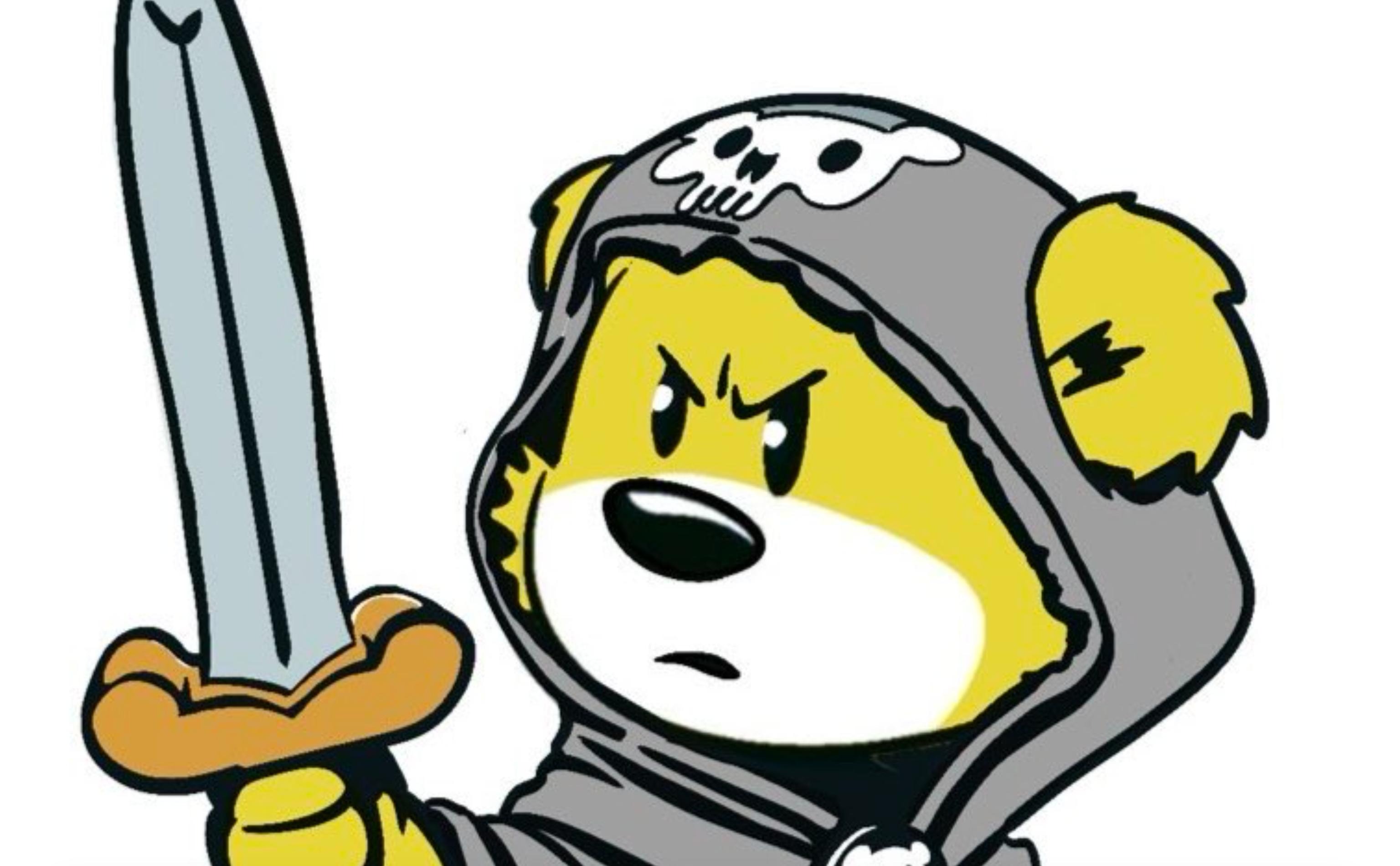

Teo’s journey was always meant to dance along the edge of something darker, something unsettling. His innocence, his supposed cuteness, is not a shield but a contrast—a lens through which the creeping weight of his reality becomes more pronounced. I never expected to invest so much into him, and yet, here he stands, commanding more than thirty-five pages of art and narrative. Meanwhile, Mik, the character who set all of this into motion, is left with barely a fraction of that—a mere ten pages, a story split between himself, the DerryBear, and Nik, the human child. The irony is not lost on me.
Every journey begins with a goal, and yet, that goal is never as fixed as we believe. We set out thinking we know what we are pursuing, only to realize that the path twists in ways we did not anticipate. But the goalpost itself remains unmoved—whether we reach it or not, whether it was ever real in the first place. Teo’s story has taken precedence, not by choice, but by necessity. He has grown beyond a passing thought, beyond a mere companion to the world of the DerryBears. His existence demands to be explored, his struggles and transformations unfolding against a backdrop that is slowly revealing its own horrors.
There is something profoundly human in Teo’s arc, despite his form. A struggle against forces unseen, a fight for identity in a world that wishes to shape him into something else. He is not just a bear with a sword. He is something caught between becoming and resisting, between fate and defiance. And that is why he has taken the forefront—because his story, like all stories worth telling, refuses to remain in the shadows.
Leave a Reply